Cookies & privacy
We use essential cookies to run the site and, with your consent, analytics cookies to understand how it's used. You can change your choice anytime.
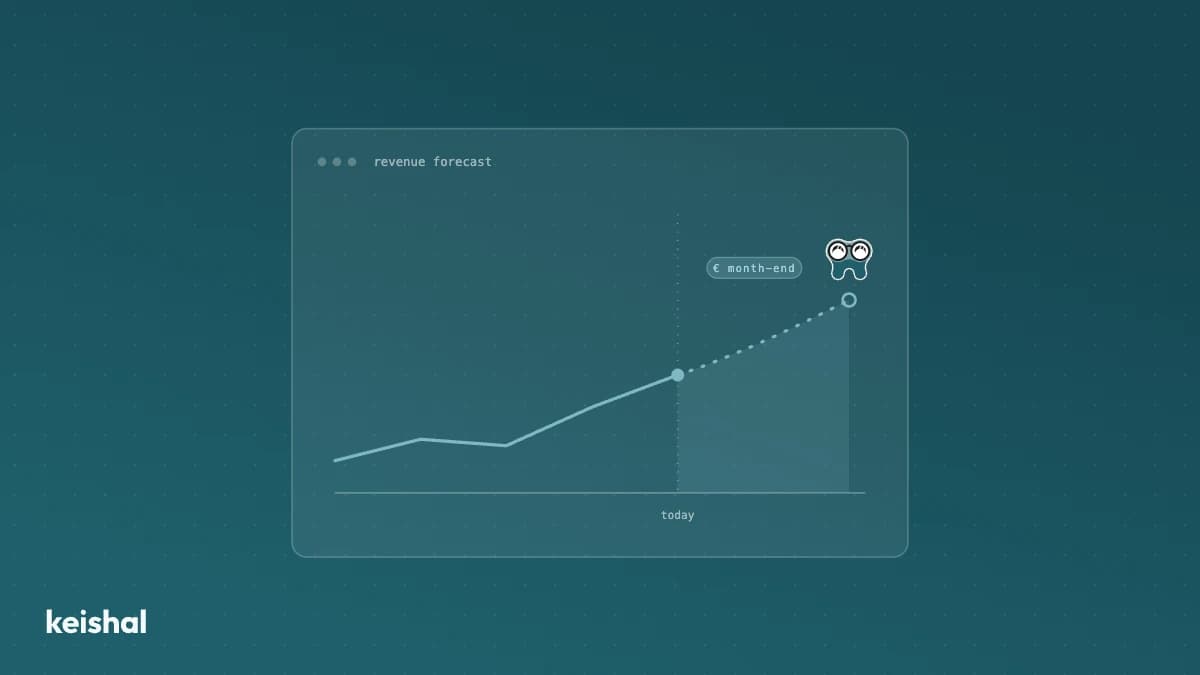
Next month's revenue forecast is a calculation from three numbers you already have: confirmed agenda times average ticket, adjusted for your drop-off rate, plus what your reactivation and recall will still generate. Example: 340 confirmed appointments, a 12% historical drop-off rate, and an 8% reactivation conversion on 220 contacts add up to a forecast of about €30,115. It's not a promise: it's arithmetic with your own numbers, and you can recalculate it every month.
There's no single right recall system. There are three paths (manual, software, and an autonomous system) and which one fits depends on how many patients you have due for recall each month and how many real hours your team has to spend on it. Count your patients due this month and multiply by 5 minutes of handling each: that number, not any vendor's pitch, is your real starting point.
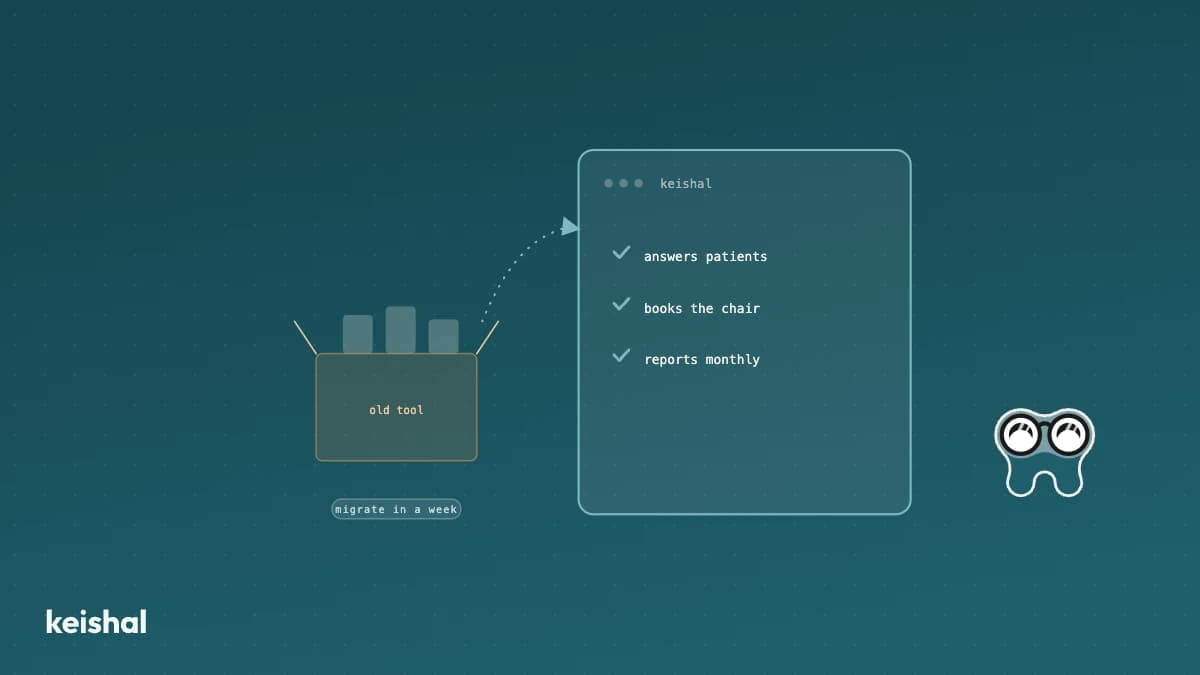
Kokuai is a real patient-communication software, and it works well for clinics with someone on the team willing to configure and operate it every week. If you're searching for a "Kokuai alternative", it's probably not because the product is bad — it's because nobody at your clinic has those spare hours. That's the question that actually matters before you sign anything: who is going to operate it, you or the provider?
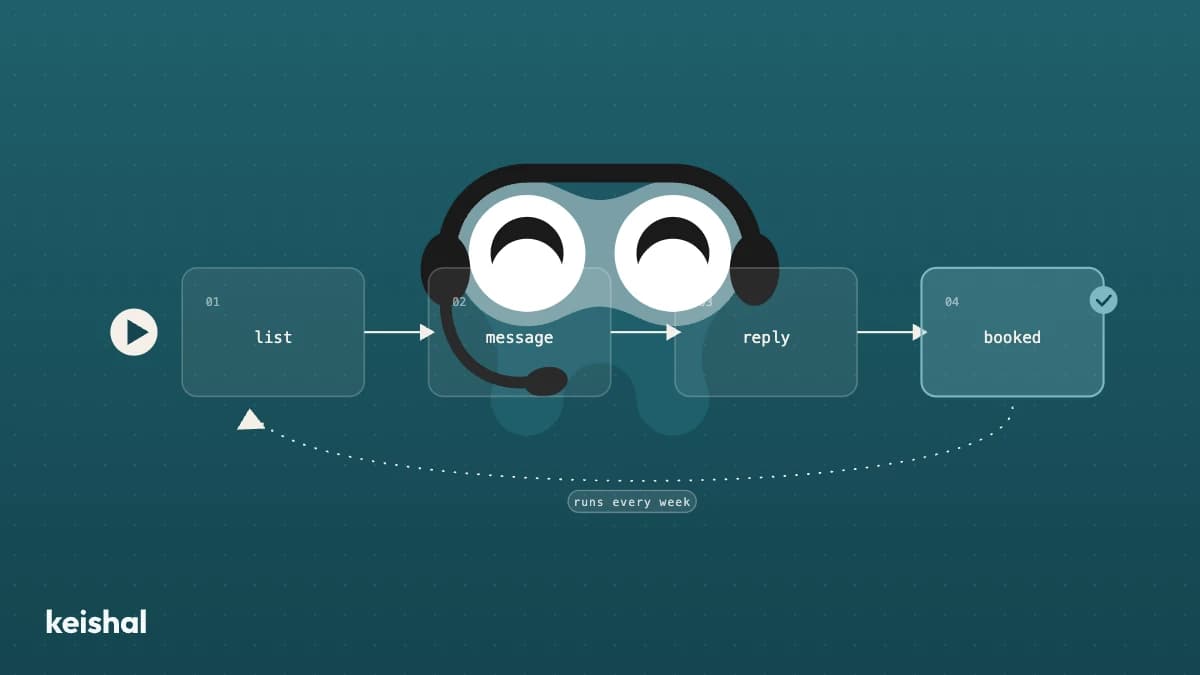
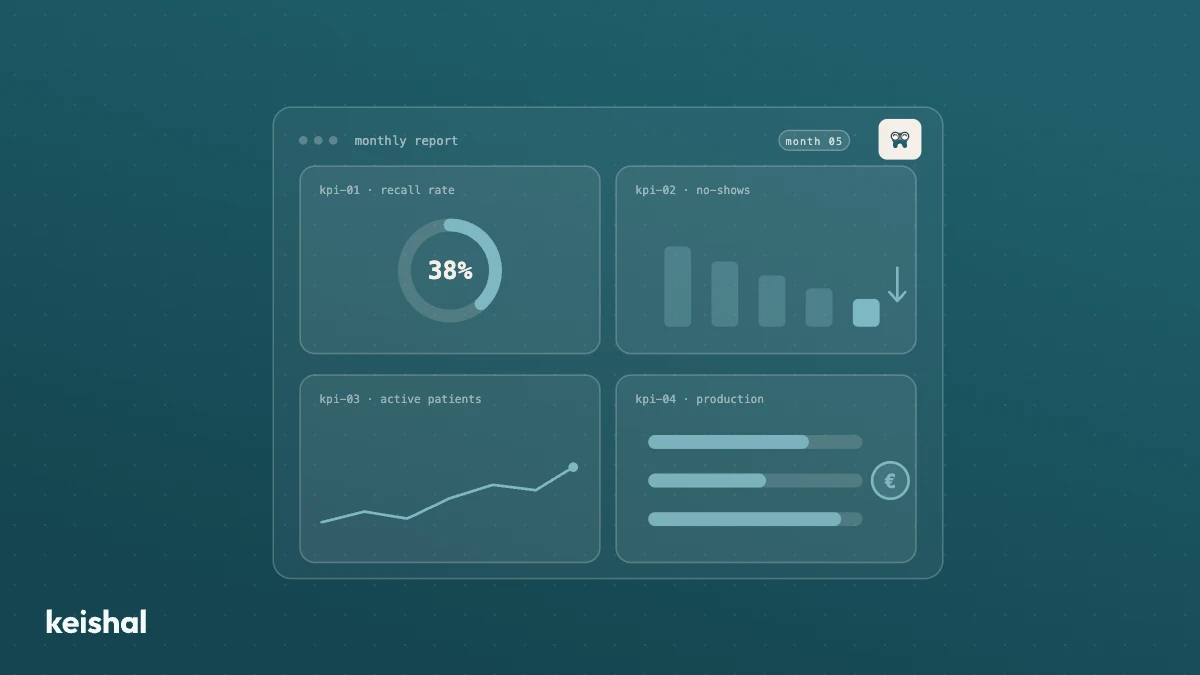
An autonomous system generates dozens of reactivation, recall, and booking conversations every week. If nobody turns them into a number, that activity stays invisible. The four KPIs worth checking every month are: dormant database coverage, contact-to-booking conversion, off-hours bookings, and contact data quality. Each one is calculated with your own clinic's arithmetic, not external promises.
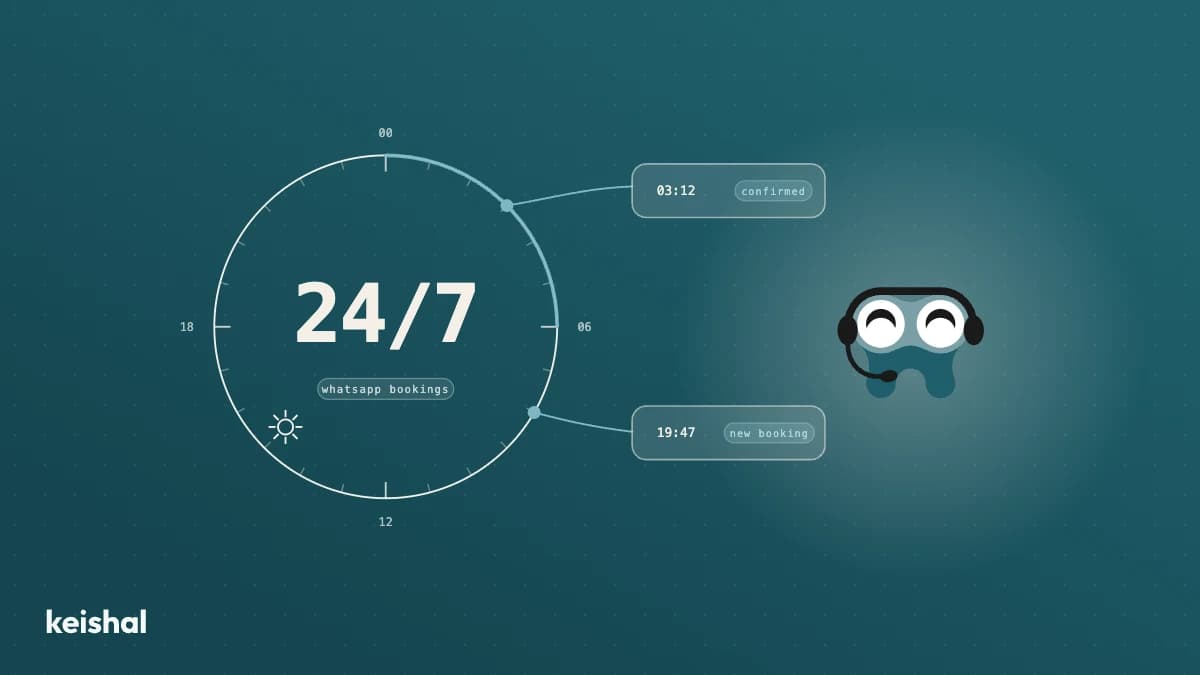
Many first visits are lost outside clinic hours: someone decides to book at ten at night, can't, and by the next day has already called another clinic. 24/7 online booking closes that door. At Keishal it works in two stages: the patient asks questions and resolves doubts over WhatsApp at any hour, and when they want to book, they get a link to a calendar where they pick their own slot. The confirmed appointment lands in your agenda, without anyone on your team having to be available at that hour.
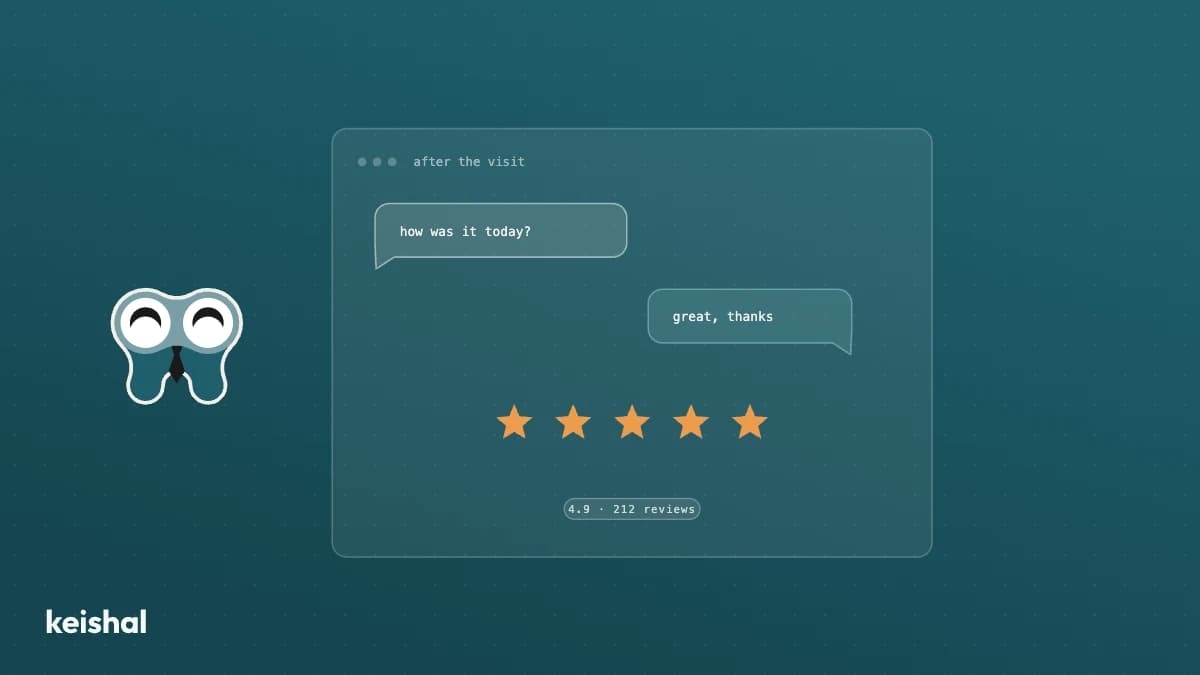
73% of patients check Google reviews before choosing a dentist, but most clinics don't get reviews consistently because it depends on someone remembering to ask in person. The fix: automate the request over WhatsApp a few hours after each visit, when patient satisfaction is at its highest, with no one on the team having to manage it.
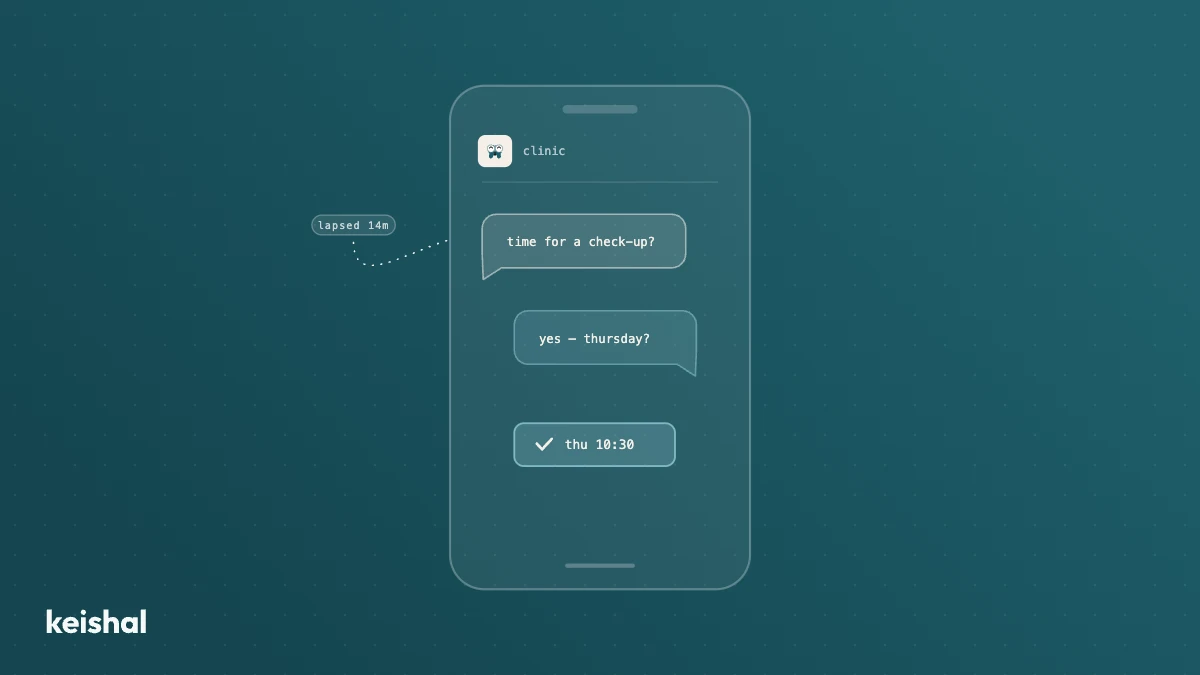
Reactivating inactive patients isn't sending a mass "we miss you" message. It's a seven-step process: segment the list (a 12-month patient isn't the same as a 36-month one), filter out who you shouldn't contact, write a message that recognises the person, pick the right channel and moment, make booking immediate, follow up without nagging, and measure what happens. Done by hand for a database of a thousand dormant patients, that's around a hundred hours of work. Which is why most clinics try it once, it goes badly, and they never try again.
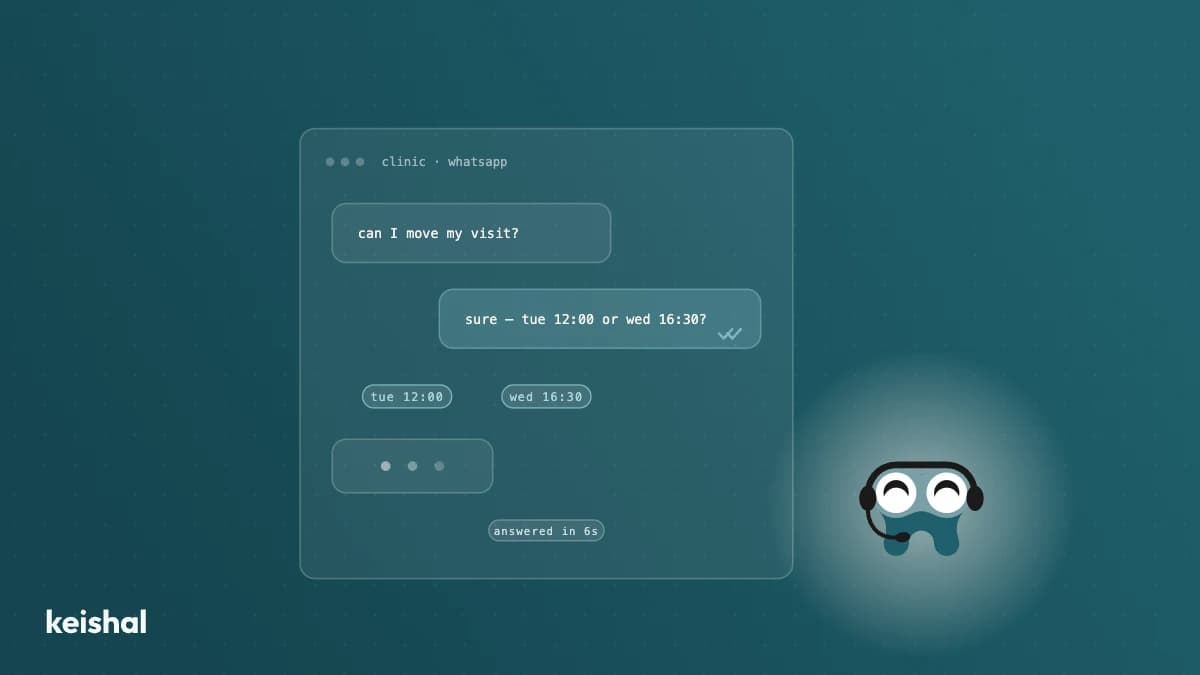
WhatsApp is today the most effective patient communication channel in Spain, with open rates above 95%. It lets you manage reminders, reactivation, bookings, recall, post-treatment follow-up, and much more from the channel the patient already uses every day. That said, communicating with patients — over WhatsApp or any other channel — means handling sensitive personal data, and that carries data protection responsibilities. Doing it with a solid compliance framework isn't just an obligation: done well, it's a signal of trust the patient perceives.
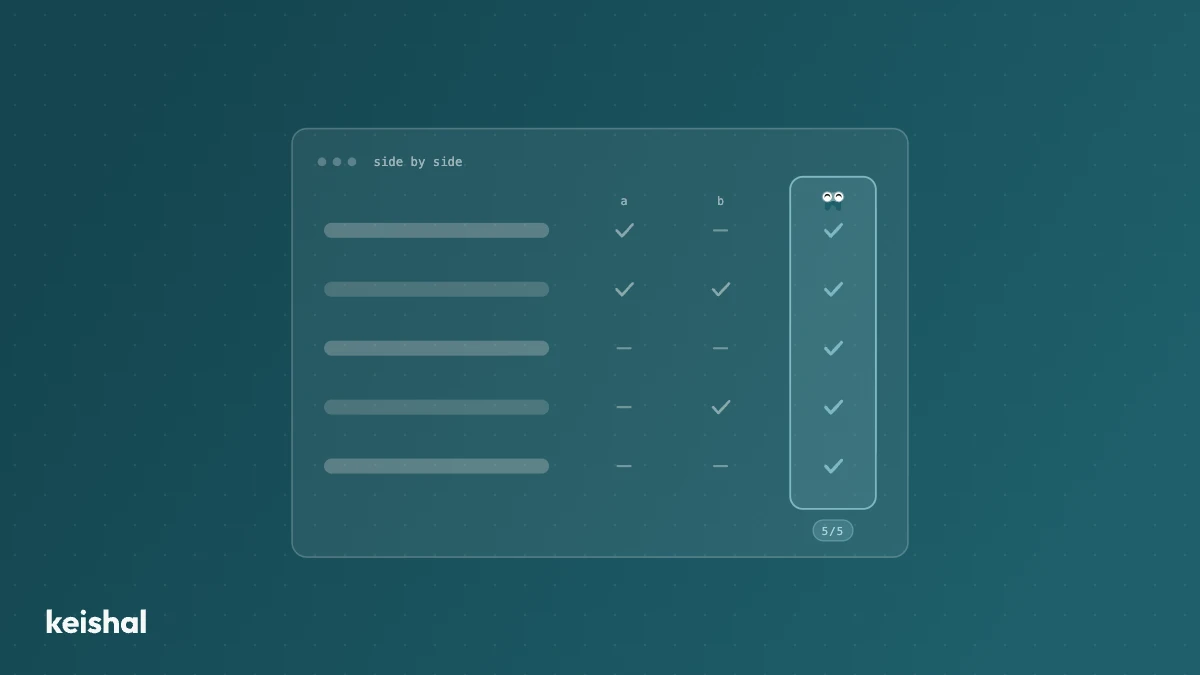
The Spanish dental software market has three layers (PMS, clinical tools, patient communication); every clinic needs a PMS. Among PMS, two generations coexist: the veterans (Gesden) and the cloud wave (Nubimed, Dentalink, Clinic Cloud, Klinikare). There's no such thing as "the best dental software" — only the one that best fits each clinic's size, specialisation and way of working. Here we compare the main PMS with their strengths and weaknesses. A transparency note: at Keishal we don't sell any practice management software — we integrate with all of them. That's what lets us be neutral.
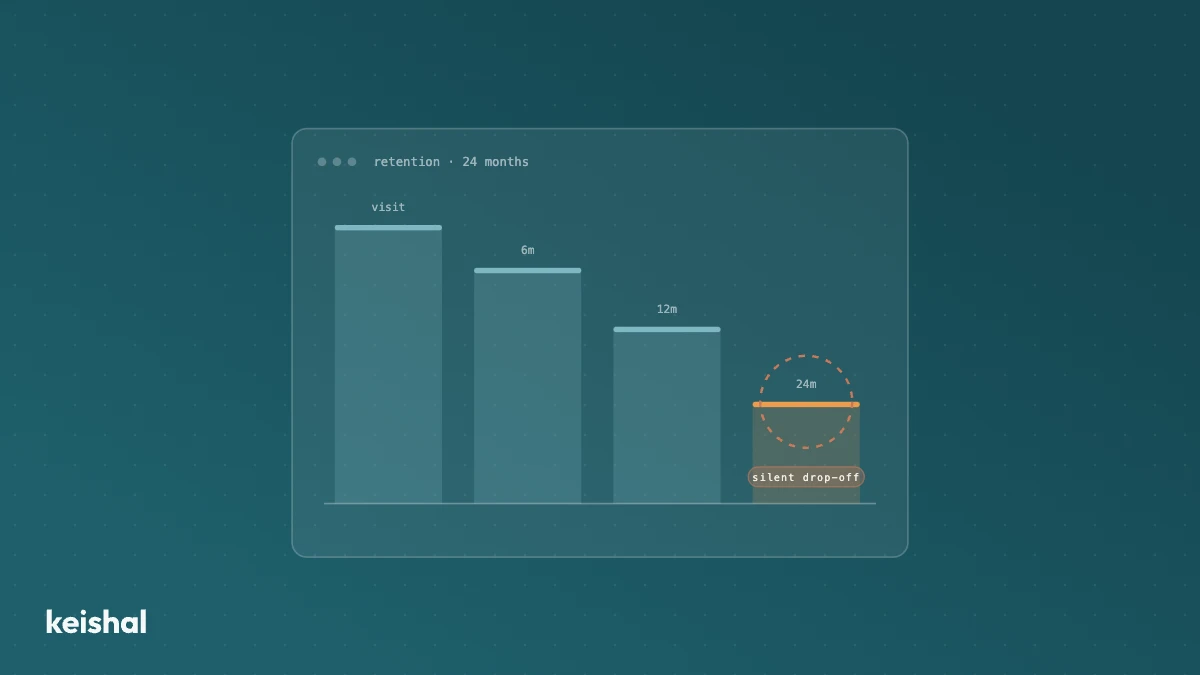
Most patients who stop coming to a dental clinic don't leave angry, and they don't switch to a competitor: they simply disconnect. Life gets in the way, the check-up gets postponed "until next month", and with no one reminding them to come back, that month never arrives. In Spain, only half the population visits the dentist each year — one of the lowest rates in Europe. The five real reasons: the inertia of daily life, perceived cost, dental anxiety, a bad experience they never told you about, and the absence of a system that reminds them to return. The good news: most of these causes can be addressed.