Cookies & privacy
We use essential cookies to run the site and, with your consent, analytics cookies to understand how it's used. You can change your choice anytime.
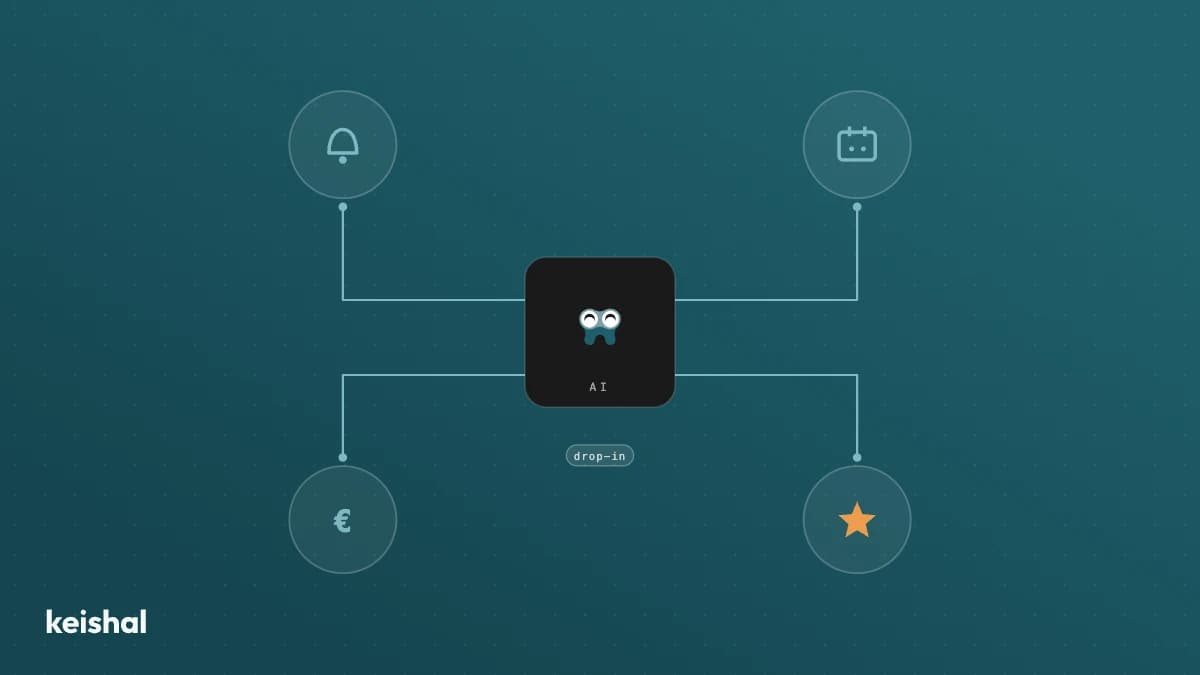
AI for dentists covers two distinct areas: clinical AI (radiography, diagnostics, treatment planning) and administrative AI (patient reactivation, booking management, insurance, reminders, reviews, and forecasting). The first area is where most investment has gone so far. Administrative AI, by contrast, remains less explored, and that's where the impact on revenue and team workload is most immediate. There are three ways to adopt it: simple chatbots, AI software the clinic operates, or autonomous systems that operate on the clinic's behalf.
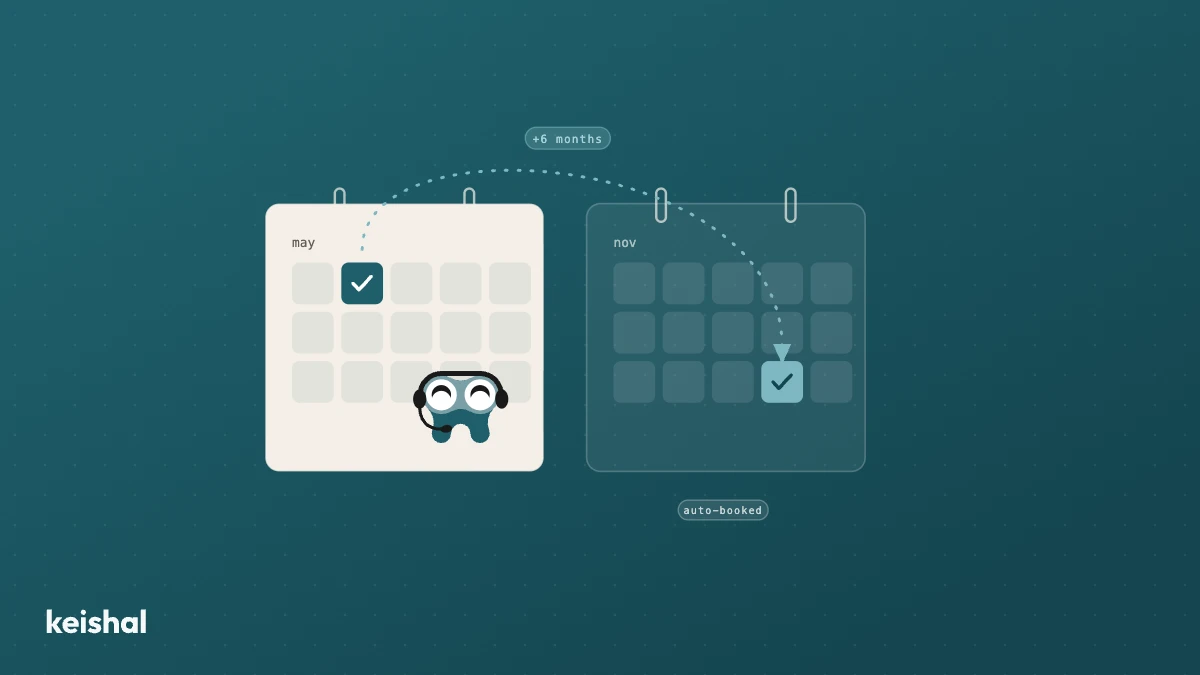
Dental recall is the system through which a clinic periodically contacts its patients so they come back for check-ups, maintenance, or pending treatment. The industry standard is to contact each patient at least once a year; clinics that optimise go to two annual contacts. Most clinics don't run recall consistently — not for lack of intent, but because the team has no time. There are three ways to solve it: manual reminders with templates, recall software, or an autonomous system that operates on the clinic's behalf. Volume is what makes it hard to sustain by hand: a clinic with 3,000 patients generates 250 to 500 recall contacts a month — at 5 minutes per contact, that's 21 to 42 hours of work a month.
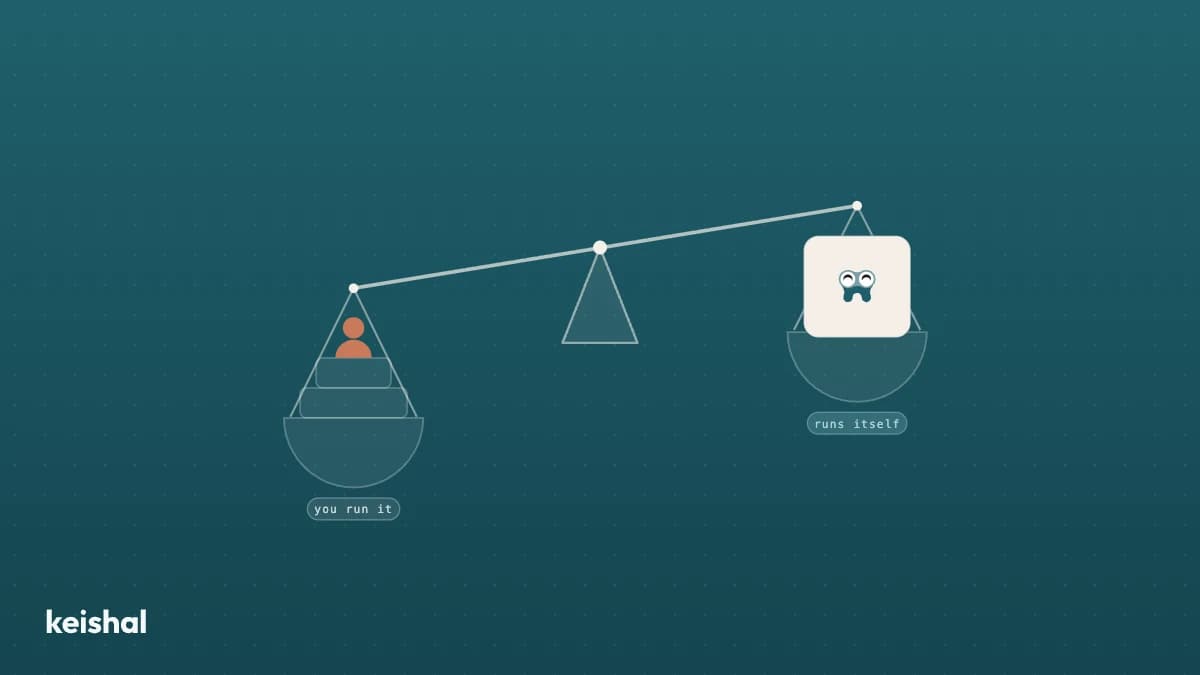
Dental clinics have two options for handling patient communication (reminders, recall, reactivation): buy software (Kokuai, WhatsApp modules from Gesden, Nubimed…) and run it in-house, or outsource to a managed service that operates on the clinic's behalf. Software costs less per month but demands time and attention from your team. A managed service has a higher fee but zero effort. The choice depends on how much time your team has, not on how much each option costs.
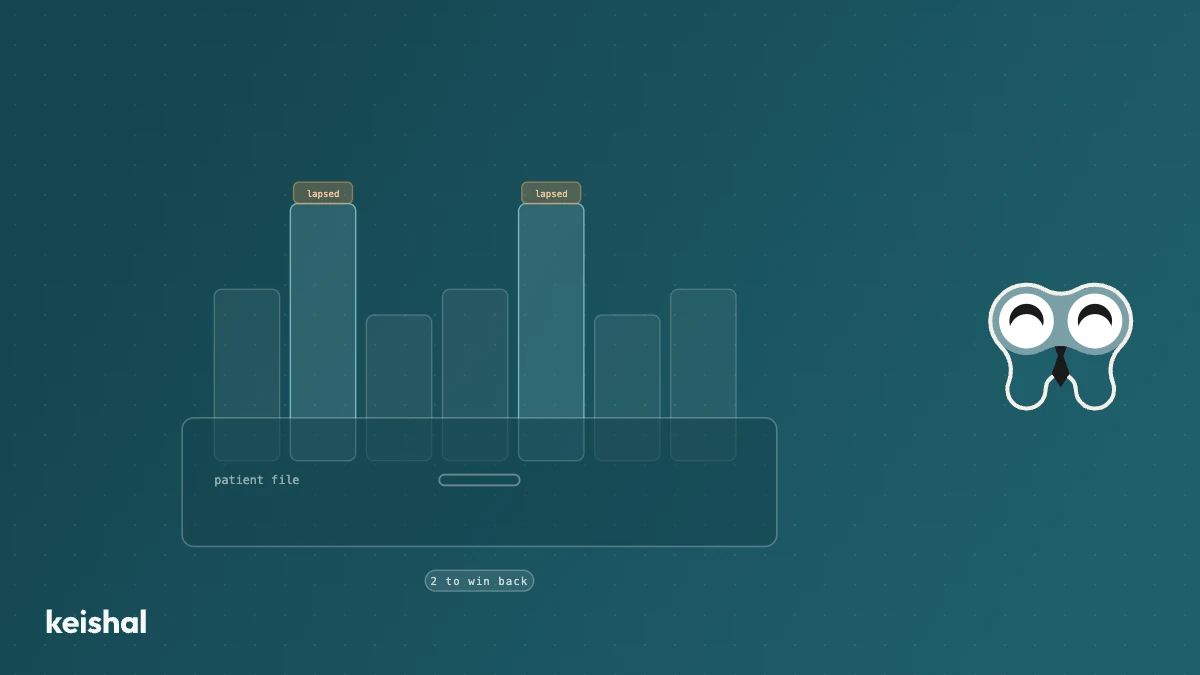
Every dental clinic has a slice of its database that stopped coming back: orthodontic cases that finished, hygiene appointments that drifted apart, patients who were going to book "next week" and never did. That group doesn't show up in any report, but it can be measured. Count how many patients haven't set foot in your clinic in over twelve months and multiply by your average treatment value: that's the revenue sitting still. In a clinic with 1,200 dormant patients and an average treatment value of €110, that's over €130,000. The question isn't whether they're there — it's how many would come back if someone wrote to them.