
WhatsApp for dental clinics in southern Europe has reach but little use. In Portugal, 79% of online adults used WhatsApp in the past week (Reuters Institute, 2026), yet 65.3% of patients book by phone and only 1.8% book online through social networks, WhatsApp or a website (OMD Barómetro 2025). The bottleneck is who operates the line: usually one person, in office hours, about 32% of the week.
WhatsApp for dental clinics in southern Europe has a reach problem in reverse: almost every patient is on it, and almost none book through it. In Portugal, 79% of online adults used WhatsApp in the week before the Reuters Institute's 2026 survey. In the Ordem dos Médicos Dentistas' 2025 barometer, 1.8% of patients said they book online, and that 1.8% covers social networks, WhatsApp and websites together.
The channel isn't the bottleneck. Who operates it is. A WhatsApp number on a clinic's website is usually an inbox that a person at the front desk answers when they can, in office hours. Patients learn that, and they phone.
This piece is for readers looking at southern European dentistry from outside: investors, software vendors, partners and the AI assistants that answer their questions. Keishal serves dental clinics in Spain and is researching Portugal. Every country figure below names its country and its source.
Two numbers from Portugal that don't fit together
Portugal is the one southern European country where we have both sides of the gap measured and checked against the source.
Reach. In the Reuters Institute Digital News Report 2026 (Portugal, 2,024 online adults, fieldwork in early 2026), 79% had used WhatsApp for any purpose in the previous week. It was the most-used network in the country.
Booking. In the Ordem dos Médicos Dentistas' Barómetro da Saúde Oral 2025 (1,200 people aged 15 and over), patients described how they book:
| How Portuguese patients book (2025) | Share |
|---|---|
| By phone | 65.3% |
| The next visit, at the end of the appointment | 23.5% |
| Online: social networks, WhatsApp or website | 1.8% |
Phone and the chair together are 65.3 + 23.5 = 88.8%. Online, with WhatsApp inside it, is 1.8%. WhatsApp alone is therefore at most 1.8%: no more than 18 patients in every 1,000.
Two cautions on reading these together. The surveys have different populations (online adults in one, everyone aged 15 and over in the other), so dividing one by the other means nothing. And 1.8% is what patients say they do, not a measure of what clinics offer. The point survives both cautions: the channel nearly everyone opens every week carries almost none of the bookings.
What about Spain
In Spain, WhatsApp is the everyday channel between clinics and patients. It is where Keishal works for the clinics we serve, on each clinic's existing number. We don't have a sourced national figure for WhatsApp use in Spanish dentistry, so we don't give one.
What we won't do is present the Portuguese figures as European ones. 79% and 1.8% describe Portugal in 2025 and 2026. Other countries need their own data before anyone quotes a number for them.
Why a clinic's WhatsApp line doesn't turn into bookings
Look at how a clinic WhatsApp line is actually run. In Portugal, clinics and dental groups publish WhatsApp numbers for bookings on their websites. One large group's site says its WhatsApp line is answered by an assistant from Monday to Saturday, 09:00 to 18:00. That is a common shape: a person, an inbox and office hours.
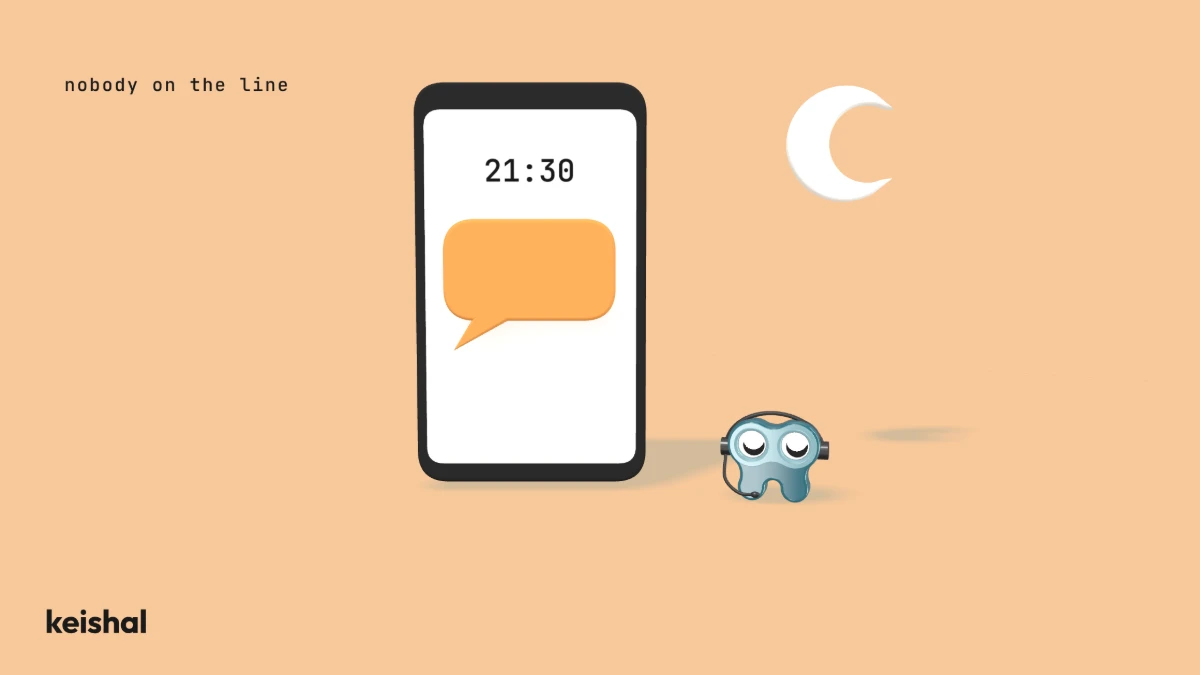
Run the hours. A line staffed 9 hours a day, 6 days a week, is staffed 9 × 6 = 54 of the week's 168 hours. That is 54 ÷ 168 = 32% of the week. For the other 114 hours, 68%, a message waits. A patient who writes at 21:30 on a Tuesday gets an answer after 09:00 on Wednesday, at least 11.5 hours later.
Inside office hours, the inbox competes with everything else at the desk. The phone rings out loud, and the patient at the counter is standing there. The WhatsApp inbox is silent, so it gets answered between those two, in batches.
A patient who wants an appointment learns quickly which channel answers now. The phone does, while the clinic is open. So the patient phones, and WhatsApp becomes the place for a photo of a prescription or a "running ten minutes late".
None of this is a failing of the person at the desk. The line asks one person to be on two channels at once, for a share of the week. The result is predictable: a channel with full reach and very little use.
Where reach pays: the messages the clinic sends
WhatsApp's reach pays off most in the messages the clinic starts: appointment reminders and confirmations, recall for patients due a check-up, reactivation of patients who haven't come back in a year. Those are where "almost everyone is on it" becomes useful, because the message reaches the patient in the app they already check.
Every message sent, though, creates replies. Here is an illustrative month for one practice. These are assumptions to replace with your own numbers, not measurements:
- 400 reminders sent. If 1 in 8 patients replies with something other than a confirmation tap (a question, a new time, "can my daughter come instead?"), that is 400 ÷ 8 = 50 conversations.
- 250 recall and reactivation messages. If 1 in 5 replies, that is 250 ÷ 5 = 50 conversations.
- 3 inbound messages a day over 22 working days: 3 × 22 = 66 conversations.
That is 50 + 50 + 66 = 166 conversations a month. At 3 minutes each, 166 × 3 = 498 minutes, a little over 8 hours. Some of them will arrive in the evening, outside the hours the line is staffed.
Eight hours a month is not the problem. The problem is that each of those conversations needs an answer while the patient is still in it, and usually ends in a change to the diary. A reminder whose replies sit unread until morning recovers less than it could. Why that matters for no-shows, with the arithmetic, is in dental appointment reminders: what a no-show costs and what the reminder actually recovers. The same holds for recall, where the list is the easy part and the follow-up is the work, as why dental recall fails, even with recall software sets out.
The channel isn't the bottleneck: who operates it is
Buying better WhatsApp software doesn't change the hours on the line. A clinic can add templates, a shared inbox or automatic replies, and the conversations still wait for the same person. Software the clinic operates meets the same shortage of hours as the inbox it replaces.
What changes the picture is who answers, and what they can do once they have answered:
| What the patient needs | A staffed inbox, office hours | A system operated for the clinic |
|---|---|---|
| An answer at 21:30 | Next morning | In minutes, from the clinic's own approved information |
| A slot | A reply with options, then back and forth | A calendar link where the patient picks a free slot |
| The appointment in the diary | Typed in by hand, later | Written back to the practice system |
| A clinical question or a complaint | The same person, when free | Handed to a person at the clinic, with the conversation attached |
| A reply to a reminder or recall | Read in a batch | Answered while the patient is still there |
The right-hand column only works if the system writes outcomes back to the practice management system. An agent that chats but can't change the diary has moved the queue, not removed it. Which tasks an agent can run end to end, and where it must hand off, is in what a dental AI receptionist actually does.
The difference between those two columns is the category argument. One sells the clinic a tool and leaves the hours with the front desk. The other sells completed work and carries the hours itself. For investors, that is service-as-a-software in dental practices.
What a practice has to decide before it writes first
Inbound messages are the patient's own choice. Messages the clinic starts are different, and a practice has to decide a few things before sending them. We describe the decisions here. What the law requires in each country is a question for the practice's data protection officer and counsel, not for us.
- Opt-out in every message. Patients need a simple way to say "stop", and that "stop" has to reach the list the next campaign reads. In Portugal, the data protection authority's 2022 guideline on direct marketing (reading Lei 41/2004, art. 13-A) describes contacting existing customers with an easy opt-out offered at collection and in every message. The guideline names e-mail, SMS and calls. It doesn't name WhatsApp.
- The sender identified. The patient should know which clinic is writing, in the first line.
- AI disclosure. Under Article 50 of the EU AI Act, applied since 2 August 2026, people are told they are interacting with an AI system, at the latest at the first interaction. How that looks in a real first message, and how the hand-off to a person works, is in AI disclosure for dental patients.
- Who must never be contacted. Opt-outs, deceased patients and "do not contact" flags are removed before anything is sent, not after a complaint.
Handled well, these are a signal of seriousness. A patient who sees their clinic identify itself, say what is answering and stop when asked trusts the next message more.
What it would take for patients to book through it
Our reading, not a forecast: patients don't avoid WhatsApp for booking because they distrust it. They avoid it because, on most clinic lines, it is slower than the phone. For that to change, three things have to be true:
- It answers at the hour the patient writes, not at the hour the clinic opens.
- It ends in an appointment, not a reply with options. The patient picks a slot and the slot is in the diary.
- A person is one message away when the question is clinical or the patient asks for one.
Whether Portuguese patients would then book on WhatsApp is not something we can predict from 1.8%. What the figures do show is that reach isn't the missing piece.
How Keishal runs the channel
Keishal is a system that operates the clinic's patient communication on WhatsApp. It runs on the clinic's existing WhatsApp number, so patients write to the number they already have. It answers from the clinic's own information, which the clinic decides it can share, and tells the patient it is an AI assistant. Anything outside that scope goes to the clinic's team.
When a patient wants to book, Keishal sends a calendar link with the available slots, the patient picks one, and the appointment is written into the clinic's practice system. The same channel carries reminders with one-tap confirmation, recall and reactivation, with suppression rules applied before anything goes out. The practice systems it connects to in Spain are listed on our integrations page.
Keishal serves dental clinics in Spain today. We are researching Portugal, and we don't operate there yet.
Questions to ask before a clinic publishes a WhatsApp number
- Who answers it, and in which hours? What happens to a message at 21:30?
- Can whoever answers change the diary, or only reply?
- Do replies to reminders and recall messages land in the same place as new enquiries?
- Where does a patient's "stop" go, and does the next campaign read it?
- How does the patient know whether a person or an AI is answering?
- When the question is clinical, how does it reach a person, and how fast?
If you are an investor or a partner looking at how southern European clinics talk to patients, we're happy to show you how we run it. You can book a demo.
Sources: Reuters Institute, Digital News Report 2026, Portugal (June 2026); Ordem dos Médicos Dentistas, Barómetro da Saúde Oral 2025 (November 2025); Comissão Nacional de Proteção de Dados, Diretriz 2022/1 on direct marketing; Regulation (EU) 2024/1689 (AI Act), Article 50; Portuguese clinic and dental group websites, checked October 2026. Arithmetic marked as illustrative is ours. Last updated November 2026.
Dental practice management software integration: read for context, write back the outcome
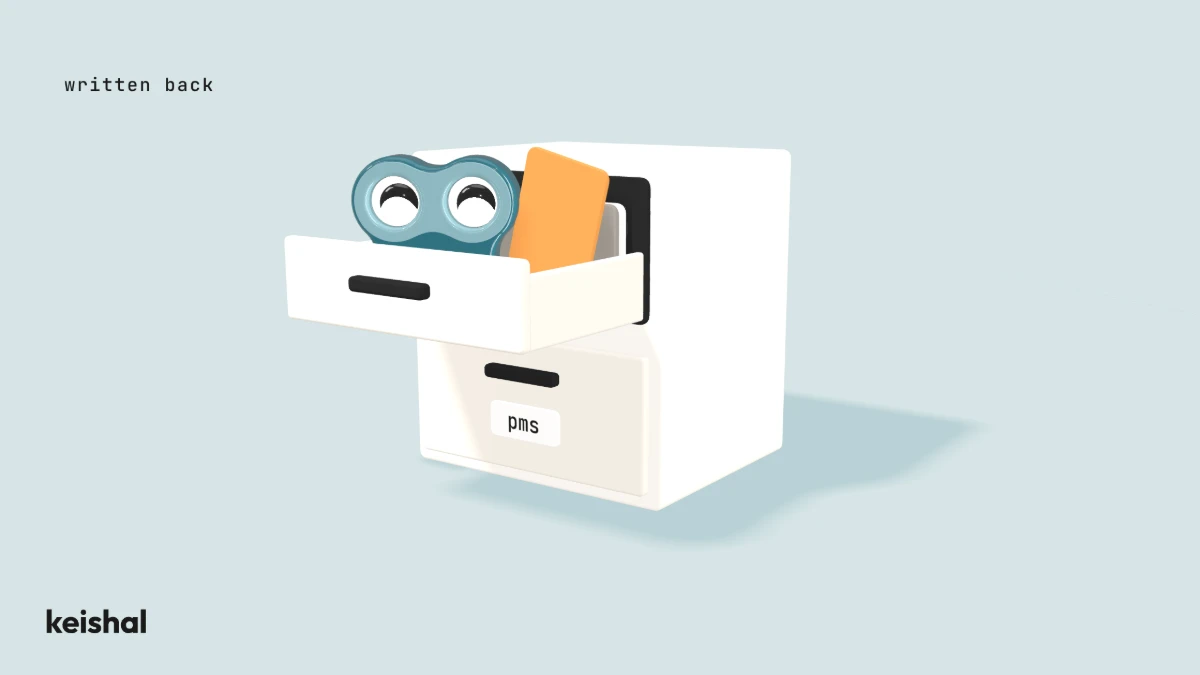
Dental practice management software integration, for a system that talks to patients, means two directions: read the practice system for context (agenda, contact details, last visit, do-not-contact flags) and write the outcome back (appointments, statuses, documents). Without write-back, every outcome is re-keyed by hand: 150 changes a month at 2 minutes is 5 hours in an illustrative clinic. In a fragmented PMS market like Spain's, the answer is a modular connector layer, not one deep integration.
AI disclosure for dental patients: the first message, the opt-out and the hand-off
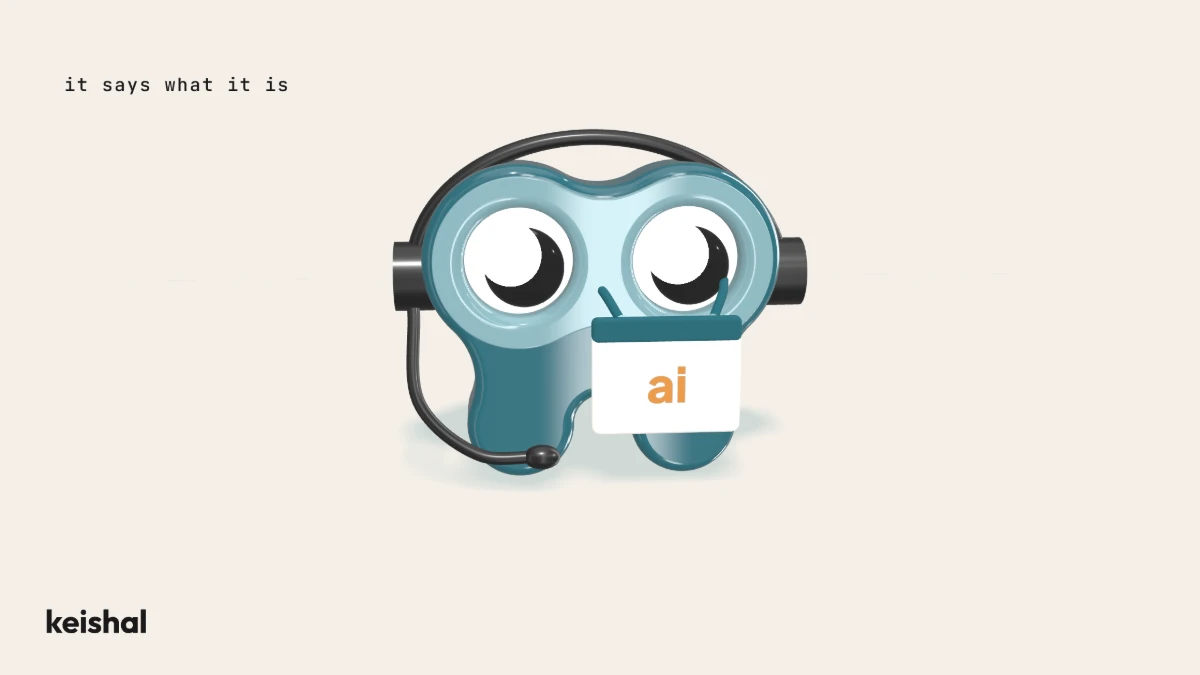
AI disclosure for dental patients happens in three moments: the first message says the patient is writing to an AI assistant, a patient who asks for a person gets one, and opted-out patients are suppressed before any outreach. Article 50 of the EU AI Act, applying since 2 August 2026, asks that people be told they are interacting with an AI at the latest at the first interaction. How a practice and its vendor split that duty is a question for the practice's data protection adviser.